Time to Address Cyberbullying
April 23rd, 2008 by Miss604 | 15 Comments »“To think that in a few years [my niece] will probably be on a few of these social websites, potentially dealing with situations like this is an absolutely sickening thought that has lately been causing me a great deal of stress.” - Duane Storey on MatthewGood.org.
I’ve always been a nerd. I know, hard to believe, eh? It’s true. I was called names in school, I was made fun of, was verbally harassed by a parent, and some of my braver friends who stood up to bullies received death threats - and all of this happened before I was even in grade 9.
There’s an antagonist in every story; everyone’s got their Nelson Muntz and in our adult years bullies take the form of co-workers, peers, or Mr. Slate type bosses. The way I see it, a bully is someone who has nothing better to do than make someone else feel like something that should be picked up in a plastic baggy and thrown into the garbage can at the dog park.
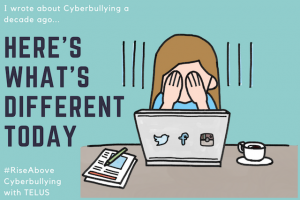
Every morning on the radio (yes, I still listen to the radio) there are public service announcements asking if your child is a bully, however these are directly targeted at a new breed of Brutus, the Cyberbully.
In the past, youth could find safety from bullies at home, but with personal computers, the bully is present in the victim’s own bedroom. And rarely, if ever, are there adults around to watch, intervene, or protect. [The Tyee]
Unfortunately these malicious acts don’t stop after childhood and the practice of seeking joy by belittling and intimidating someone has changed since I was in school. The new forms of communicating these ill-willed attacks are through blogs, Facebook pages, MySpace, text messages, and forum posts. Probably one of the worst parts is that you might not even know who the aggressor may be.
Blogger Kathy Sierra: In a statement to the BBC she referenced posts on her own blog and site Meankids.org which she found threatening and sexually graphic. She stated this made her afraid to leave her house.
…
Alan Herrell, a well-known US blogger who had posted some of the Meankids.org content, stated that he was a victim of identity theft by an unknown hacker. Two other individuals who had been revealed as authors of threatening content on Meankids.org, including the noose picture cited by the BBC, also publicly stated they had no plans to harm Sierra. The identities of at least two other commenters remain unknown. [wiki]
When it comes to blogging one of the great things about the medium is that it’s your voice, it’s your piece of real estate on the internet to do with as you please. You want to write about cats? Go nuts. You like Star Trek TNG but not Enterprise? Tell us why. You want to tell the world about your freak accident with the hedge trimmer? Sure, although use discretion when posting pics. A blog is your own expression, your own content, and it allows the public to publish. But at what point do we say, hey - that’s over the line?
You are liable for things you publish online, especially defamatory commentary that could damage the reputation or business of another. It’s not just Facebook wall posts and anonymous blogspot sites that do damage. If you leave comments on someone’s site telling them they’re a “stupid head,” (instead of simply expressing disagreement if such is the case) chances are they recorded your IP address and know exactly where you were when you left that comment, and where you came from. Although even though they can probably track you down, it doesn’t take the sting away from the insult.
Cyberbullies can create web sites that mock, torment and harass others. If these are published on a local/regional Internet Service Provider (ISP), you should copy and print out these Web sites and then contact the ISP. Give them a chance to respond and address the situation. For most responsible IPSs in Canada, this is likely a violation of the Terms of Use or Acceptable Use Policies (AUP). [Cyberbullying.org]
There is a line and within the blogging realm some folks have worked to create a Code of Conduct.
Unless in real life you would face physical intimidation, whereas online you could avoid it. There is a basic understanding for freedom as well — your right to swing your fist ends where someone else’s nose begins. We must be as responsible and civil we are in the real world. And for criminals in virtual world, well that’s a real law enforcement issue. But as civilised citizens we should follow some rules. [Code of Conduct: Things We Wouldn't Say in Person]
The concept of “do no harm” and using our communication tools for good is actually a pretty tough pill to swallow for a lot of people. Ever stumble across that one blog post that makes you wonder what the heck the author was smoking when they wrote that? Facts are wrong, there are spelling mistakes and they just sound completely uneducated about the topic? What compels you to leave a destructive comment? Admittedly, I’ve been there and you have every right to voice your opinion but the author also has rights. There’s always an alternative to smashing someone down in a comment thread such as publishing your own blog post, sharing your own (constructive) views on the topic of the original.
“If you want to do something about it, do not tolerate the kind of abuse that includes threats or even suggestions of violence (especially sexual violence). Do not put these people on a pedestal. Do not let them get away with calling this ’social commentary,’ ‘protected speech,’ or simply ‘criticism’.” - Kathy Sierra.
I know it’s a lovely concept; let’s all play nice and share our toys and no one will get hurt. The fact of the matter is cyberbullying is real for children and adults alike. We need to step up and take responsibility for our own words in the online realm just as we do in real life. Take a breath, back away from the keyboard, shut off your screen, or close the laptop lid. Look around your room, call a loved one, go for a walk, pick up a book. There is more to life than bashing other people and making them feel small. We all have a voice, and there will always be someone there to watch, read, or listen.
Every morning when I hear those radio PSAs asking if my child is a cyberbully and if they post content on the internet that could hurt someone else’s feelings, in my head I can easily reference one of the dozens of comments, Twitters, or emails I’ve received because of this blog that were less than complimentary. It makes me wonder how we’ve allowed these childish tendencies to overwhelm our adults lives, mostly helped by the veil of ‘privacy’ provided by the computer monitor. If children are expected to behave online, why don’t adults?
Supplemental Reads: StopCyberbullying.org, Be Web Aware, Cyberbullying.org, MySpace Anti-Bullying, Kids Help Phone.